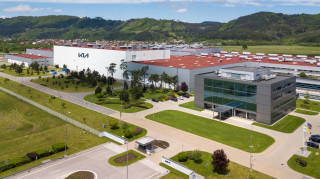
Kia Slovakia launched engine production in Slovakia in 2006. Today, it manufactures petrol and diesel engines in two separate production halls, employing more than 700 people. Of all engines produced to date, 60% have been petrol units, with this share rising to 87% in 2023. The currently most-produced engine is the 1.6-litre T‑GDI petrol unit, designed for models such as the Sportage, including HEV and PHEV versions.
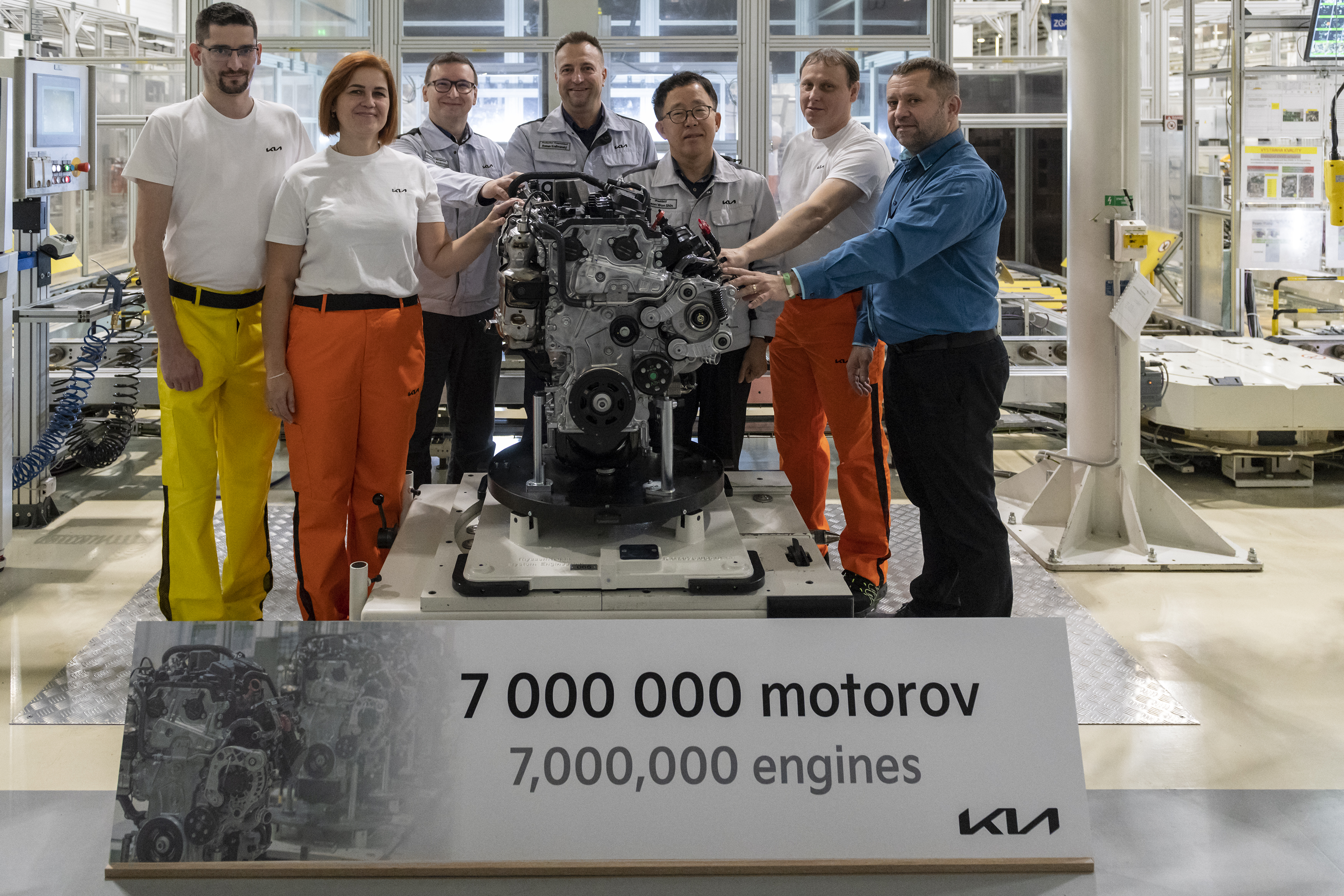
As the only Kia manufacturing plant in Europe, Kia Slovakia is also the only car manufacturer in Slovakia that produces its own engines. Production includes not only assembly but also machining of key metal engine components, such as engine blocks, crankshafts and cylinder heads. On 24 November, the car manufacturer celebrates a major milestone in its history, as the jubilee seven-millionth engine rolled off the production line of Engine Shop 2. The milestone engine is a 1.6‑litre petrol unit that will be installed in a plug‑in hybrid version of the Sportage, produced directly in Teplička nad Váhom.
The current production portfolio includes various engine types, ranging from 1.5‑ and 1.6‑litre petrol engines to 1.6‑litre diesel units. Kia Slovakia began producing powertrains simultaneously with the launch of vehicle production in 2006. Production in the second engine hall started in 2011 and is dedicated exclusively to petrol engines. The record year was 2016, when the car manufacturer produced nearly 613,000 engines.
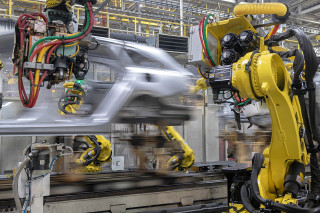
“The most advanced technologies and machining equipment are used in engine production, ensuring extremely precise machining of engine components down to micrometre accuracy. The final products are characterised by minimal defect rates. Control systems, such as tightening position checks, are applied to critical assembly processes. Automated inspection systems using artificial intelligence are gradually being implemented, which—combined with the expertise and experience of our operators—guarantee a high level of quality in the engines produced,” said Juraj Kajánek, Head of Engine Production at Kia Slovakia.
Currently, major challenges include projects related to Euro 6e and Euro 7 emissions standards. In the case of the Euro 6e project, thanks to the high level of employee expertise, the entire modification was prepared and implemented in‑house within the department. Modifications of production lines to meet the Euro 7 standard will begin during this year’s winter shutdown and will continue gradually.
“The high level of knowledge and skills of our employees is achieved through continuous training. In addition to machining and assembly, their ongoing development also focuses on robot programming and advanced technologies that ensure exceptional component precision,” added Juraj Kajánek.
In 2020, Engine Hall 2 underwent a major modernisation, with an investment of EUR 70 million enabling the production of the second generation of 1.6 GDi and T‑GDi petrol engines. Since 2018, largely due to the impact of dieselgate, demand for diesel engines has declined significantly. As a result, the newer petrol engine hall has become more heavily utilised. In 2023, petrol engines accounted for as much as 87% of total engine production.
“Since the start of production, Kia Slovakia has also exported engines to other automotive plants, primarily to the sister plant Hyundai Motor Manufacturing Czech, which receives nearly half of our annual output. In the first ten months of this year, this amounted to 190,000 engines, representing 44% of our production. Smaller volumes are also exported to the Hyundai plant in Turkey, and in the past, engines were supplied to the plant in India as well,” concluded Tomáš Potoček, Spokesperson for Kia Slovakia.